Ask Novelist Haruki Murakami

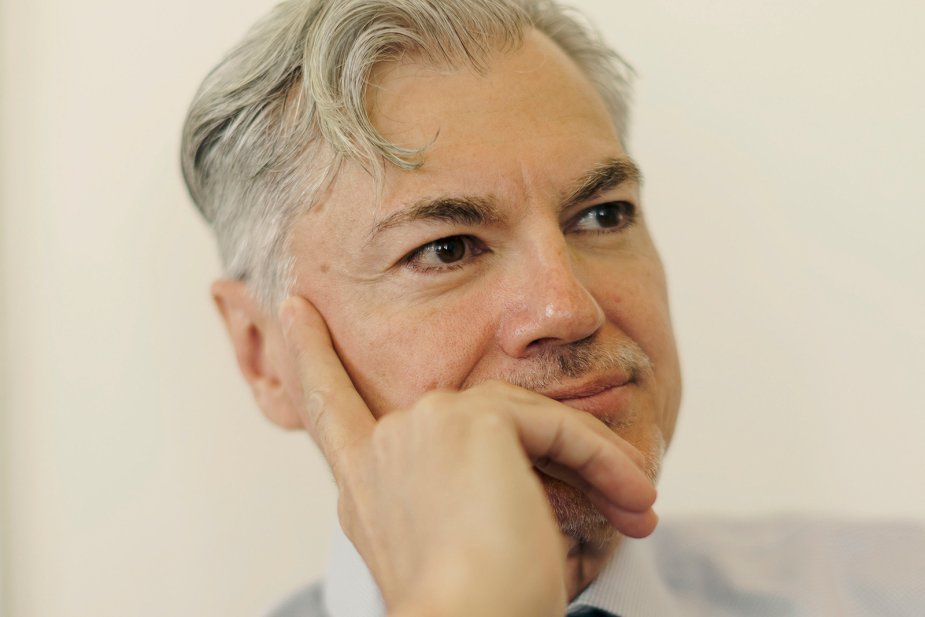
Haruki Murakami Jean Luc Bertini / Opale / Retna

Arguably Japan’s best-known contemporary author, Haruki Murakami’s short stories and novels, including the acclaimed The Wind-Up Bird Chronicle and Norwegian Wood, have been translated into over three dozen languages and fetched several international awards. Use the form below to submit your questions for Haruki Murakami, then look for the upcoming interview in TIME

Submit your question for Novelist Haruki Murakami (225 other responses).

  1. Posted by Harry Matthew Morsely in LA:

    ..My question was for the AW&ST story on Jap defense on air-sea and land..It was sorry to hear that, Japan has still on the edge of war anytime soon..I hope Japan and others in Asia has long peace and long freedom and happy..What you say..??..Your Your Sheet..Bye..

  2. Posted by Ellen Li in Singapore:

    What do you think about when you wake up in the morning?

  3. Posted by Sarosh Shaheen in Ottawa:

    Were there inspirations from other books which helped you develop you writing skills and the way you wrote your books?

  4. Posted by Sarosh Shaheen in Ottawa:

    What is your favourite book and who’s is your favourite author?

  5. Posted by Katrina Sacayanan in Jacksonville:

    Much of your writing is influenced by Western culture. Which contemporary American authors have made an impact on your writing style?

  6. Posted by Anthony Breach (Age 16) in Ormskirk, Lancashire, UK:

    How would you encourage young people to read “serious” books like yours, or timeless classics such as War and Peace?

  7. Posted by Hiroaki Goda in Fukuoka City:

    In your Wind-up Bird Chronicle, down in the well was a peace place for Wataya. Have you conceived it from ‘Hikikomori,’ a mental disorder of Japanese youth? If it is so, is there any piece of advice for them?

  8. Posted by Michael Slonim in Washington DC:

    What was the reason for you becoming a novelist?

  9. Posted by Mimi Niggel in Philadelphia:

    I am an aspiring author, but still a teen. What advice would you give to teens like me who dream of writing novels?

  10. Posted by Omid Keshavarz in Qazvin, Iran:

    What is ur oponion about translation of ur novels to other languges, for example Persian?

  11. Posted by Soyeun Yang in Superior, Colorado:

    What were your career aspirations as a child? If you were given the opportunity to have another job, what would it be?

  12. Posted by Amir “psycho” imrant in Chukai, Malaysia:

    Some of the main characters of your stories are rather detached to the society they live in, do you feel the same?

  13. Posted by Jeremiah Boydstun in Mililani, Hawaii:

    Your narrative style is so engaging because much of it seems so spontaneous, and many of your characters move through the events of their respective stories like improvisation artists. Some of your stories almost seem the literary equivalent to an Ornette Colman jam, cacophonous, yet rhythmic, abstract but highly profound. How much has jazz (and music in general) influenced your writing?

  14. Posted by Eng Wei in Constantinople:

    You’ve got a reputation in avoiding interviews, would you share the reason with us?

  15. Posted by Amjad Shabbir in Karachi:

    Do you see the world powers in the West and the East acting together for world peace and prosperity in the foreseeable future?

  16. Posted by Matt O’Donnell in Emmitsburg, MD:

    In Kafka on the Shore one of the characters poses the question, “Do you think a piece of music can change your life?” Mr. Murakami, do you believe that art (in any form) has the power change or redeem someone’s life?

  17. Posted by Joseph M. Chu in San Gabriel, California:

    Where do you get the inspiration to write your acclaimed novels?

  18. Posted by A. Chu in San Gabriel, California:

    Was being an author your first choice growing up or did you have any other pursuits?

  19. Posted by Adam Pelavin in Riverside, CA:

    What do you find compelling about telling stories that have fantastic/magical elements?

  20. Posted by Wojciech Stefanowski in Wrocław, Poland:

    1. Long ago I read one review of Nabokov , saying that generally each author tells in all his work one, universal story and only the context changes from one book to another allowing to relive it from a different viewpoint. What would be the one story you’re telling us in your books?

    2. How do you write? Do you plan the outline of the story or do you let the characters shape it?

  21. Posted by Tina Qiu in Sydney, Australia:

    Almost all the characters in your novel are male, single, lonely, a nihilist, however, they are all seemed to have a great mission,that is to find who they are. Do you apply the same way as your characters to find yourself in real life? and When do I expect your next novel?

  22. Posted by Recep Adıgüzel in Istanbul:

    Do you see any close relationship between Turkish culture and your native culture?If so, what should the authors of these cultures do to build up new bridges for peace ?

  23. Posted by Daniel E. Burke in Chicago, IL:

    First of all, thank you for the effort that produced your writing. I’ve thoroughly enjoyed each of the unique books I’ve read by you.

    My question(s) is/are: With literature (like all media) becoming more globalized, to what extent do you perceive yourself as a _Japanese_ author, as opposed to being just _an_ author? Your influences seem to be far-ranging and borderless both in genre and in origin - does that set you apart as a writer, or does it make you part of a more generic tradition of Global lit as opposed to Japanese lit? And should such a distinction matter much to a reader?

    Thank you for your time and consideration.

  24. Posted by Sara Ivry in Brooklyn:

    What brand of sneaker do you prefer to run in, and how often do you replace your running shoes?

  25. Posted by ROBERTO CARLOS AMBROSIO RUIZ in Mexico D.F.:

    Your main characters are always between love and dead an their coincidences among of these two aspects of life. Wich one is more important for you when you start a new novel?.

  26. Posted by Frederick Do in Riverside, CA:

    I have never read any of your books but if you could only choose one for me to read, which one would it be?

  27. Posted by Matt Cibula in Madison, Wisconsin:

    What is the one book by another author that you wish you had written?

  28. Posted by Erin Topping in Irvine, CA:

    When you write, do you have an audience in mind? Or do you simply write the story that’s in you, for you?

  29. Posted by Puya Sabet in Aachen in Germany:

    Can you imagine to own your jazz bar now instead of writing?

  30. Posted by Dave Shimoda in Dublin:

    “The Wind-Up Bird Chronicle” rates as my favourite book and one I’ve shared with several friends. Upon returning the book to me, one of these friends said that they believed that the thought processes and general attitude of the protagonist Toru fitted perfectly with how they imagined the inner workings of my brain to operate. This raises the question: Has my brain always worked this way, or did reading the book somehow alter me? If so, how would you recommend I fix it?

  31. Posted by Stephen Black in London:

    Its so easy to make the jump from a modest amount of fame in a niche to a big time stardom with magazine spreads and reality tv. I just saw a lot of quiet famouse authors doing a tv type interview at borders.co.uk.

    Do you ever think of throwing the writing thing in and just grabbing the limelight like that?

  32. Posted by Shannon Bullard in Boston, MA:

    In several of your novels, including Wind Up Bird Chronicle, Hard Boiled Wonderland, and Dance, Dance, Dance — you often portray the complexities and eccentricities of the relationships between older men and much younger, teen girls. In today’s age, these relationships are often discouraged between adults and teens, but through your book we often see your male characters fufilled and enlightened by their friendships with younger women. Do you believe it’s possible for platonic, meaningful relationships can exist in our reality as they do in the mystical, dream-world reality imagined in your books? And if so, what can these two polar demographics learn from one another as a result?

  33. Posted by Frederic Turner in Cambridge:

    Why are your novels so awful?

  34. Posted by Howard Hayden in Memphis, Tennessee:

    Mr. Murakami, I enjoy your work tremendously and believe I have read just about everything you’ve allowed to be translated into English. What are your thoughts on the controversy concerning the work of Raymond Carver,? I know you are a great admirer of Carver’s work and I wonder if you believe his widow should publish the substantially expanded versions of many of his best known stories? Does the revelation that much of Carver’s best known work was heavily edited diminish your regard for him?

  35. Posted by Greg Miller in Bloomsburg:

    Will we ever see Pinball 1973 and Hear the Wind Sing published in the US?

  36. Posted by Candice Cho in Washington, DC:

    Food, drink, and appetite present significantly in your novels, from the librarian with a gastronomical disorder in Hard-Boiled Wonderland and the End of the World (my favorite!) to the spaghetti cooking that opens The Wind-Up Bird Chronicle. Why is this? And what is your ideal meal?

  37. Posted by Mai Hoang in New York:

    When you write, do your ideas develop like images on a reel of film?

  38. Posted by Emmett Brotherton in Oklahoma City, Oklahoma:

    Do you consider writing a learned skill or a God-given talent?

  39. Posted by Joshua Huang in Carmel, Indiana:

    If you were to have a lunch with any writer, dead or alive, who would it be?

  40. Posted by Yiwei Jiang in Singapore:

    Where do you get inspiration for your stories from? Are your stories related to your personal life, or are they pure imagination?

  41. Posted by Miri Kim in Irvine, Calif.:

    What kinds of relationships do you have with close and distant family members (siblings or cousins, aunts, uncles, etc.) and how do you think they regard you? In your opinion, how are their opinions or impressions of you similar or dissimilar to that of readers and critics who don’t know you personally?

  42. Posted by ononiwu miracle amaka in Abuja, Nigeria.:

    I love you good works. As an upcoming writer, what advise do you have for us?

  43. Posted by Eric Dawe in Lansing:

    What has the creative process taught you about yourself?

  44. Posted by Holly Wehmeyer in Chicago, IL:

    What do you think of Frank Galati’s adaption of Kafka on the Shore for next season at the Steppenwolf Theatre (Chicago)? How involved have you been in the process of bringing the novel to the stage?

  45. Posted by Sarosh Shaheen in Ottawa:

    Was being a writer the first occupation you considered?

  46. Posted by Seth Satterlee in New Orleans:

    How do you feel cultural references effect your stories? Do you find them essential to the stories you choose to tell?

  47. Posted by Isaiah Lim in Singapore:

    How would you own funeral be like?

  48. Posted by Isaiah Lim in Singapore:

    If you had children, how would you raise them?

  49. Posted by Isaiah Lim in Singapore:

    Why types of limitations are good?

  50. Posted by gracie rosen in Brooklyn, NY:

    Nothing was sure when I was 27 or 28…. but what about when I’m 29?

  51. Posted by Dan Moore in Springfield, IL:

    Is your mindset different when you’re writing a dense, complex novel like Kafka on the Shore than when you’re writing a shorter, more direct one like Sputnik Sweetheart?

  52. Posted by Habib Gomez in Brooklyn:

    After reading Wind-Up Bird Chronicle, I had vivid dreams surrounding the book. These bold beautiful images of what I had just read. I wonder, would you ever write a screenplay for this book?

  53. Posted by Anna Yu in San Francisco:

    Who is your favorite fictional character? It can be of your own creation or by someone else.

  54. Posted by Jason Lester in Madison, WI:

    In the early 90s, Japanese critics cited the popularity of your work as evidence of the decline of Japanese literature. Now, the tides have turned - you are universally recognized as one of the most important authors writing today - and the critics have found a new target, calling the new wave of “cellphone” lit in Japan the death of Japanese literary culture. Will the reputation of today’s cellphone literature also be rehabilitated by future generations? Does literature actually need to be saved?

  55. Posted by Olivia Sy in Quezon City, Philippines:

    What part of Tokyo played the biggest inspiration on your latest novel “After Dark”?

  56. Posted by Olivia Sy in Quezon City, Philippines:

    Do you have any plans of launching a worldwide book signing?

  57. Posted by Kwok Sing in Amsterdam:

    In stories like ‘Slow Boat to China’ or in your novel ‘wind up bird’, you are cautiously tackling the problematic relationship between Japan and China which of course is shaped by the historical events in the 20th century. How would you describe this troubled relation between these two countries? And can you also explain why you think you, as a writer from Japan, have so many devoted readers of your work in China (and Taiwan)?

  58. Posted by Chris Bishop in Athens, Georgia:

    When you’re feeling lowbrow, what current trends or activities do you enjoy?

  59. Posted by Pallavi Dixit in Minneapolis:

    How does your career as a long-distance runner affect your career as a writer?

  60. Posted by Michael Brewster in Syracuse, NY:

    What is the relationship you see in your fiction to memory?

  61. Posted by Mrinal Bose in Kolkata:

    Haruki, do you think literary fiction has any future?

  62. Posted by Juri Panda Jones in Dedham, MA:

    What advice do you have for the people who moved from their own courtty and decided to live in the new country? (my case, Japan to America)What kind perspective and balance should those people carry between what things to keep, accept or explore?

  63. Posted by review stew in san franciso, california:

    When it is cool and drizzling rain, when time seems to congeal into something viscous, and you are feeling a little melancholy, perhaps remembering a day in your youth when the weather was similar, is there a certain record you might want to listen to?

  64. Posted by Charles Doe in San Diego:

    Which Japanese-language books would you most like to see translated into English?

  65. Posted by Jessica Freeman in Cliffside Park, New Jersey:

    Cats and birds play a significant role in your novels. Also the zoo motif in Wind-up Bird. What are your thoughts on the relationship between humans and animals and would you ever write a non-fiction work about this or a similar subject? Also, will you come to New York for a book signing? I think you are fantastic.

  66. Posted by Graeme Maitland in Toronto, Ontario:

    Did you find writing “Underground” to be more strenuous than writing a work of fiction? Do you think that your book about the gas attacks has helped raise awareness of certain religious/political issues that might otherwise have gone unnoticed by the rest of the world? I ask this because you have become such a popular author, that people would be more likely to read a non-fiction book based on the fact that it was written by you.

  67. Posted by Jesse Sibly in Kyoto, Japan:

    When you read the English translations of your work, how close do you feel they come to capturing the feeling of the Japanese originals? I don’t know if I’m a fan of you or your translators!

  68. Posted by Amy Hanridge in Pinetop, Arizona:

    When in your writing process do you fall in love with your work, or if you do not identify your process this way, why not?

  69. Posted by Amir “psycho” imrant in Chukai, Malaysia:

    what’s your opinion as a writer on manga being a storytelling medium?

  70. Posted by Joe Ruvel in San Francisco:

    It is your last night on hearth, what would you want to eat and drink?

  71. Posted by John Dishon in Bowling Green:

    What reasons of “personal principle” led you to decline the Kiriyama Prize?

  72. Posted by Marc Mazique in Seattle, WA:

    Have you ever had an idea for a novel you started and then abandoned? What was the idea, why did you abandon it, and what was that experience like?

  73. Posted by Magenta Pierrot in Seattle, WA:

    I love your books. They are brilliant at capturing the simplicity and at the same time complexity of life, human consciousness, and the interconnectedness of all things. I’m wondering about whether you have had any conversations with cats, as depicted so eloquently in several of your books. Are you inspired by “I Am A Cat,” by Soseki Natsume?

  74. Posted by Scott Burton in Richmond, VA:

    How do other art disciplines affect your work?

    (A question from our Ten Questions Series at http://glowsinthedark.wordpress.com)

  75. Posted by Dr. Samuel Tulley (age 13) in New Caledonia, SW Australia:

    You have described your affection for cats. Kindly name and describe the cats you have owned and give a full accounting of your use of feline metaphor. PS - I don’t believe you ran an ultramarathon.

  76. Posted by Wayne Smith in Driggs, Idaho:

    Tony Takitani is one of my favorite book/shorts to film adaption I’ve ever seen. From your experience with this film, do you hope any of your others stories appear on the silver screen?

  77. Posted by Wilhuff Tarkin in New York City:

    DOES HARRY DIE IN THE LAST BOOK???!?

  78. Posted by jacky mcdonald in sarasota:

    have you read tao lin, ‘the asian haruki murakami’?

    http://reader-of-depressing-books.blogspot.com

  79. Posted by Rob McFeeley in NJ:

    What’s your favorite Beatles song and why?

  80. Posted by Jennifer O’Malley in Preston Falls, South Carolina:

    In previous interviews you have made much of your affair with Zadie Smith, after the breakup is it true that the two of you continue to share recipes for exotic, multiethnic dishes? And would you describe Smith’s work as the same?

  81. Posted by Jimmy Chen in San Francisco:

    Do you think Tao Lin is playing the ‘race card’ by calling himself the ‘asian haruki murakami’? What about the ‘gay oscar wilde’ or the ‘female gertrude stein’?

  82. Posted by Billy “The Bone” Barr in Wapping, UK:

    How do you craft such convincing portrayals of British aristocracy during the 1930s? Also, what advice can you give a man starting a small, hole-in-the-wall jazz bar in Tokyo?

  83. Posted by Jakob Lodwik in :

    Help me understand: “Japan”
    Can you explain the literary situation in Japan in three sentences?

  84. Posted by Todd von Ammon in Bennington, VT:

    What are your thoughts on translation? As an English reader and speaker, I greatly prefer one of your translators to the other—some of your novels I find inferior because the translation is flat and boring, while the rest seem clear and beautiful. As a truly international author, how can you rest easy knowing that your every story is subject to the command of a stranger with is own voice and own motives?

  85. Posted by Emily Soto in los angeles:

    If you could rewrite one of your characters, or change something that happened to them in one of your works, who/what would it be and why?

  86. Posted by Danielle Booth in Seattle, WA:

    I don’t really have a question, but I just wanted to say that I absolutely love Murakami’s work. He was the light at the end of my Japanese Literature Class tunnel. Thank you for being such an amazing author!!

  87. Posted by Rita Fast in Ogallala Nebraska:

    If you were to seriously rock - would you be igneous, sedimentary or conglomerate?

  88. Posted by Eveline Smilack in Venice, Ca:

    I understand you are involved in the translations of your novels into English. Do you attempt to maintain the flavor and tenor of the sounds and tone used in the original Japanese in the English translation? how do you do this? What is most significant difference between the mood and meter between the two versions?

  89. Posted by Annie Cat in Houston:

    Can you give us a glimpse of a typical day in your life? Inquiring minds want to know if Toru and May were more than just friends?

  90. Posted by Jos Diaz in New York:

    Why do you think that your writing, which is so emphatically Japanese, has found such a large international audience?

  91. Posted by Sheila’s Gawker in Billyburg:

    Do you think Sheila have slept with one of her colleagues or bosses? Don’t you think Sheila is hot, but that she has a bad taste in men? Why is she only attracted to loser white hipster douchebags? Is it because she’s one of these transplants from the mid-west who thinks that they own NYC?

  92. Posted by Eric Evans in Kanab, UT:

    Is it difficult to give your work over to a translator?

  93. Posted by miles ross in brooklyn:

    How long are you going to let Tao Lin ride your coattails?

  94. Posted by michael glaviano in new orleans, la:

    How long has your fued with Tao Lin, also known as ‘the asian Haruki Murakami,’ lasted? How did it start? Who is the Hemingway and who is the Faulkner (a.k.a. ‘the male Ernest Hemingway’) of this fued?

  95. Posted by Jacqueline Kosak in Seattle:

    Hi Haruki!
    What do you think about this crazy phenomenon that makes your books some of the most stolen books in bookstores aside from the Bible? I always have a hard time finding them because booksellers have to hide them behind the counter!

  96. Posted by Walt Guyll in Seattle:

    Are humans and human culture about to go through a Singularity? In other words, are we turning into something our ancestors wouldn’t understand or recognize?

  97. Posted by Jacob Locke in Washington, DC:

    Hi! I’m a huge fan of your work, which is probably a given, but I just wanted to thank you for many a sleepless night.

    Anyways, I was wondering: in lots of your books, the characters all seem to reject (resent, perhaps) the roles society expects of them. Do you feel that everyone, whether they’re in Japan or America or wherever else, are inherently individualistic? Even if their societies are very collectivist?

    Thanks!

  98. Posted by Jessica Creane in Milford:

    Your writing is like nothing I have ever read before. What makes you different from everybody else that you’ve ever met?

  99. Posted by Gregory Santos in New York City:

    Within many of your writings the protagonist is on a journey searching for answers to questions that he does not fully comprehend or understand and faces no combative antagonist. Rather the main opposition and challenges the protagonist faces to overcome lay within himself or with universal forces one cannot control, influence, or contend with. Why do you chose to have your protagonists confront their own minds and/or dreams instead of having them overcome a physical opponent or character?

  100. Posted by Michael Morse in Salem:

    Is it true that green is sad?

  101. Posted by Michelle Lim in Kuala Lumpur:

    Have you ever though of collaborating with another author to write a book?

  102. Posted by Jennifer Morton in New York:

    I take it that you are often asked what the best advice you received as a young writer was, what was the worst?

  103. Posted by Raffi Kiureghian in :

    Who is better–Tim Gunn or Tao Lin?

  104. Posted by Esther Plum in Budapest:

    In Kafka on The Shore there are numerous hints at Greek tragedies, fate and curse for example. Do you believe in fate, are you a kind of fatalist? What Greek drama is your favourite one? In addition to Greek mythology there are Japanese myths in the novel as well. In your view, do they have similarities with our ancient European, Greek mythology? Thank you for the answers, bye.

  105. Posted by Marta Niepytalska in Munich, Germany:

    How does it feel to see your own words translated into another language? Do you think, the translation can transfer the meaning of the original text?

  106. Posted by Sylvia Savage in New York:

    When did the fall out between you and your godson Tao Lin first begin? Interviews suggest some kind of battle for inheritance feud between your goddaughter Miranda July, Tao Lin and yourself. Is it true everything in your will is going to her? How can you be so cruel you your godson Tao Lin?

  107. Posted by ryan in :

    the next night we ate whale

  108. Posted by Chris Savory in Oxford, UK:

    Would you ever write a direct sequel to one of your novels? If not, why not?

  109. Posted by Isobel Farrell in NY:

    Do you read The Stranger?
    Which is better Tao Lin, or Seattle?
    People think some of your books are ‘flaccid’ and call others ‘muscular’. Which of your books would you categorize as being ‘an owl’?

  110. Posted by Thomas Laffont in New York:

    Do you listen to music when you run? If so, what kind? If not, why not?

  111. Posted by Cory Weaver in Ann Arbor, MI:

    Who do you hang out with?

  112. Posted by Cory Weaver in Ann Arbor, MI:

    A lot of people think your books are “very weird”, what do you find “very weird”?

  113. Posted by Douglas Wick in Athens, GA:

    In your honor I named my first children Haruki, even though I am of Irish background. My child is a girl, but I think Haruki works best for either gender. I cannot wait to have a boy and name it Murakami. Thank you sir!

  114. Posted by Arnold Capper in Seattle, WA:

    What do you suggest to keep the male organ erect and firm for the duration of one of your novels? I enjoy reading while tumescent, especially Japanese literature in translation.

  115. Posted by Cory Weaver in Ann Arbor, MI:

    Did you enjoy Wall*E?

  116. Posted by Teru Rai in Santa Cruz, CA:

    What is your favorite kind of whiskey? Who is your favorite jazz musician and writer?

  117. Posted by Nicholas Obourn in New York City, NY:

    What is the importance of sheep in your novels? Why are they almost always included in some way?

    Also, what is the importance of hotels as labyrinthine and dark structures?

    Thanks. I love your work.

    Nick

  118. Posted by Margot McCracken in tampa:

    How do you feel about your own work, when you read it?

  119. Posted by Emily Chornomaz in Brooklyn, NY:

    What was your best friend like when you were growing up?

  120. Posted by Daniel Burke in Baltimore:

    Mr. Murakami,

    You once said that your “ideal for writing fiction is to put Dostoyevsky and Chandler together in one book.”

    Do any contemporary works, including your own, approach that idea?

    Thank you for your work.

    –Daniel

  121. Posted by Zach Pomerantz in New York City:

    will you ever allow for a re-release of Pinball 1973 in english? It is quite hard to get a hold of one without a large payout!

    Love your books, especially Hard Boiled Wonderland, definitely my favorite!

  122. Posted by Lee Marc Stein in East Setauket, NY:

    What is behind your fascination with Bob Dylan? Does it have something to do with the fact that he re-invents himself - or at least shows new phases of himself, some real/some not - all the time?

  123. Posted by Hannah Stanley in Santa Barbara, CA:

    What is your daily schedule like when you are in the process of writing a novel or short story?

  124. Posted by Miss Gretchen in New York, NY:

    I was moved by your character Creta Kano in The Wind-Up Bird Chronicle and her relationship to physical pain. Now that I’ve read some of your accounts of long-distance running, I’m wondering if your daily practice might inform the often detached way that some of your characters relate to their physical bodies.

  125. Posted by Hentai Funn in :

    Do you like lolicon-style mange?

  126. Posted by Michelle Swetnam in Woodbridge, VA:

    If you had to recommend one of your own books to someone who has never read any, which title would you recommend first? Why?

  127. Posted by P.T. Smith in Burlington:

    How do you manage the balance between the close observation of nuance human interaction (like Carver) and the journey into the strange, abstract side (Kafka) of your writing? Is it something that has developed over time or do you still find yourself editing towards it?

  128. Posted by Adrin E Comeau in Halifax N.S. Canada:

    Haruki San, your first two novellas “Hear the Wind Sing” and “Pinball 1972″ respectively are subtle and beautiful works of fiction that anyone would be more than privileged to read…if they could afford it, that is. Why did you choose,( in spite of both books already being translated into English by none other than two of your regular three translators) to not have them published in North America and other English speaking countries? Many feel that they are receiving you only in the commercial sense in North America, and are being denied full access to your wonderful mind.

  129. Posted by Adrin E Comeau in Halifax N.S. Canada:

    On the topic of translation; Alfred Birnbaum, Phillip Gabriel, and Jay Ruben are not only translators but amazing poets and masters of English prose in their own right. One can actually feel their respective presence when reading your books in English, and each has a unique way of interpreting your writing. What do you think of the Artistic contribution they bring when interpreting your books into English, and how do you feel about the fact that all your non-Japanese readers are enjoying the words and ideas of others couples with yours?

  130. Posted by Mark Cutler in Brisbane:

    It seems that your complex sentence structures and general style makes your work much easier to read in English than in Japanese. When you write, do you actively think about how your writing will sound in English?

  131. Posted by Jeanie Zhang in Los Angeles, CA:

    Which one of your characters is most like you?

  132. Posted by ashley kang in fairfax:

    what is your favorite poem?

  133. Posted by Taro Okano in Tokyo:

    What kind of dream do you have when you are sleep?

  134. Posted by Taro Okano in Tokyo:

    I mean, what kind of dream do you have when you sleep?

  135. Posted by Joseph Dunford in Alexandria, VA:

    I’ve heard about other authors listening to certain music or typing on a particular typewriter while they write? Do you have any habits or hobbies that help you think while you write a story?

  136. Posted by Anuradha Arun in Dublin:

    How should an aspiring writer start out? I find it very hard to believe in myself, the duality of my thoughts often stop me from writing, it is as if am always contrdicting my imagination…
    Also, how does one develop original thinking to write? Can talent be developed?

  137. Posted by Mitchell Hainlin in White Bear Lake:

    When you write, do you compose in silence or do you listen to music? If you do work to music, do you find that different styles of music effect different rhythms in your writing?

  138. Posted by Susan Kirby-Smith in Baton Rouge:

    Often in your novels there are powerful dream sequences. I am wondering if you have a philosophy about dreams and the purpose of dreams, or the reality of dreams, that you can explain.

  139. Posted by David Goldberg in Pinckney, MI:

    Suppose one member of siamese twins commits a crime, but the other is innocent. Is it just to punish the criminal? If so, how?

  140. Posted by Robert Mahnke in Washington, D.C.:

    Have you ever read anything by Thomas Pynchon? If so, what do you think of his work?

  141. Posted by Adrian E Comeau in Halifax N.S. Canada:

    In “Hard Boiled Wonderland and the End of the World” and “Kafka on the Shore” ( As well as to a small extent After Dark) you play with the concepts of dual and triadic narrative ( I am referring to the third narrative of a boy named Crow In Kafka) This type of writing has been attempted by other writers before, but your prose and ability really bring the style to true fruition. Is there an element in your new (horror ?) novel that will play on these multiple paths or will this be a more straight forward venture with a single focused narrative?

  142. Posted by Adrian E Comeau in Halifax N.S. Canada:

    It is on the grapevine that you are currently writing a sizely new novel that will be using your newly preffered third person narrative ( as opposed to the boku or watashi of the past) Can you elaborate on the decision of late to switch the identity of the narrator to an observer as opposed to the protagonist?

    Also;

    In recent interviews you have said that your new work is something of a horror novel, but gave no real details, obviously without spoiling anything could you elaborate on this interesting choice of genre?

  143. Posted by Luz Fernández in Barcelona in Spain:

    What is your reference in cinema?

  144. Posted by Nazar Sheshuriak in Kam-Pod (Ukraine):

    Do you afraid of pregnant women?

  145. Posted by Nazar Sheshuriak in Kam-Pod (Ukraine):

    What about you have dream last night?

  146. Posted by Brooke Shepherd in Portland, OR:

    Dear Mr. Murakami,
    As a devoted reader of your work, my most burning question is: How are you able to “protect” such an articulate imagination in this very unimaginative world?
    Warm Regards,
    Brooke Shepherd

  147. Posted by David Hannon in Portland, OR:

    Why do women seem to always disapear in your novels?

  148. Posted by Herrie Son in Davis, CA:

    Why don’t you translate your own works into English?

  149. Posted by Michelle Lew in San Francisco, CA:

    Do you ever continue to work on your novels after they have been published? How do you decide when your work is finished enough to be published?

  150. Posted by Socheata Lao in Texas:

    Which would you rather have happen to you: becoming deaf, losing your hands, or losing your legs? Why?

  151. Posted by Jeremy J. Lee in Yao-shi, Osaka-fu:

    Hello Mr. Murakami and thanks for making the time for this.

    Art Blakey & the Jazz Messengers “Au Club Saint-Germain” and any early Fela Kuti is my cooking and cleaning music. It’s got the groove and the stamina to propel me along.

    Paul Desmond’s “Polka Dots & Moonbeams” is my chill album. Let’s me “turn off” when giving a massage or right before I go to bed.

    Eric Dolphy’s “Eric Dolphy at the Five Spot, Vol. 1 & 2″ are my focus jams. When I gotta grade a bunch of papers or something the sonic dynamics of this album get me through it.

    And when I’m feeling sentimental, Chet Baker’s “Chet” or “Last Great Concert: My Favorite Songs, Vol. 1 & 2″ just puts me in the right, reflective mood.

    But when I gotta rock out, nothing beats the Blood Brothers or Fugazi or a little M.I.A. to help me kick out the jams. How about you?

    Yoroshiku onegaishimasu.

  152. Posted by Tania Hershman in Jerusalem:

    Mr Murakami, what does the word “story” mean to you?

  153. Posted by Michael Lukashyk in Minsk:

    Why did I understand that the coolest music is the jazz only when I’m 25 years old? When I was young, I was passioned by gothic and punk, but now - only jazz,jazz,jazz…

  154. Posted by Farshid Ataayi in Tehran:

    Hi. I’m a journalist translator working for the Iranian press. I first introduced Mr. Murakami to the Iranian readership six years ago. I really love Murakami’s stories and I believe he’s a real analyst digging deep into the blackholes of the human psyche. I especially love his short story “Tony Takitani” which I belive is a masterpiece… Now, my question: “Does Mr. Murakami ever think of winning the Nobel Prize?”

  155. Posted by Ed J in London:

    Murakami-san,
    You have a unique writing style that captivates and hypnotizes a reader, taking him effortlessly to a place of utter surrealism, so much so that when I ever have an “out-of-the-ordinary” experience, I would always consider it a “Murakami Moment”. One such moment was when one of the very few times I met up with a female confidant whom I shared an intense email-only relationship with for many years. We shared a beautiful evening of sushi and sake in a downtown Manhattan bar, and when we were outside her apartment, just getting out from a yellow cab, a man (known to the female), jumped (from what seemed to be, quite literally) out of a tree, onto the sidewalk and took that female from my grasp. I was left, perplexed and scratching my head in the cab on the way home, wondering then (as I still do now) how the night (and life) would have proceeded had the ape-like creature not leaped from the skies. Do many people, when they meet you, feel inclined to share their “Murakami Moment” with you? And if so, how do you normally react?

  156. Posted by Ayesha Umme-Jihad in Toronto, Ontario:

    I’ve read some of your short stories and a lot of them seem to have similar elements, for example almost every character drinks and/or smokes, a lot of your male characters have Jazz record collections.
    I read an article that mentioned you like jazz too, so I assume many of these reappearing elements are personal traits as well?

    If they are, my real wonders are: Do you like to include personal traits in your characters? Is it a planned or un-planned occurance?

    I love your work, it is fabulous and outrageously imaginative. It really forces me to pause and think about what I’ve just read.

  157. Posted by Katherine Sebelius in Torpedo Bay, Wisconsin:

    It is well-known that Asian women’s “cookies” are crooked, correct? And this fact is attributable to the mercury levels in sushi or the soy sauce that oozes out when they smile, correct? WHAT THE HELL IS WRONG WITH YOU CRAZY SLANTS?

  158. Posted by Sorin Hadarca in Chisinau, Moldova:

    A character in Kenzaburo Oe’s novel “The Silent Cry” asks ‘why is the world so bad?’ and you go on investigating the darkness of one’s soul… What make it ticking for you? What inspires you most?
    I love your works, I think you are very well connected to the spirit of our time. And across the globe, you know! People from Russia to Nigeria are ‘cleaning the snow and it keeps snowing’ if you’ll allow me to use this metaphor of yours, and they are wondering, yes, what makes them do the things they do? Wish you all the best, man. Good luck!

  159. Posted by Elias Antunes in :

    Prezado,
    Li “Caçando Carneiro” e “Dance, dance, dance”, gostei muito. Você imprime uma grande velocidade no seu texto, agradando o leitor atual. O que você acha de seu nome ser indicado a ganhar o Nobel?

  160. Posted by Keith Lawton in San Francisco:

    What are your thoughts on being compared to Yukio Mishima?

  161. Posted by Amy Chou in new york:

    What do you think of 100 Years of Solitude?

  162. Posted by Amir “psycho” imrant in Chukai, Malaysia:

    In “a wild sheep chase” the protagonist chases after a sheep and in “dance, dance, dance” there is sheep man. Does sheep hold any significant meaning or some sort of metaphor for your life?

  163. Posted by anouk alena diallo in geneva:

    I’m feeling lonely without a book written by you to read. When will be the next. And please, make it very long

  164. Posted by Ieda Marcondes in Sao Paulo, Brazil:

    What do you eat for breakfast?

  165. Posted by Chie Ushio in New York City:

    I have a couple of questions.

    1. I heard Norwegian Wood will be made into a film by Tran Anh Hung. I saw a film Tony Takitani and a play The Elephant Vanishes at Lincorn center in NY. Both of them are very different from your novels. If you can pick one from your novels, which one do you want to make it as a film? Which director do you like to direct for?

    2. I love your essay you wrote for magazines a long time ago. They are amazingly funny sometimes and your sense of humor is great. But they are not translated in English except one which was published by New Yorker (why you started running). Would you consider to publish them in English?

    3. You mentioned many times you like moving. Are you planning to move to somewhere? Which country would like to live?

    At the end, I really enjoy your books a lot. I read them over and over and still find something new. Looking forward to next one!!
    Ganbatte kudasai!

  166. Posted by Andrea Johnson in Kansas City:

    I assume your novels were originally written in Japanese, and if this is so, do you feel the translations do it justice? Was anything lost in the translation?

  167. Posted by Renée Sawtelle in Montréal:

    Your writing often deals with those secret borrows of the subconcious. When you write passages that deal with this dreamstate do you consciously choose words or are these words thoughts buried away in your own mind that get directly translated onto the page?

  168. Posted by Branka Todorovic in Belgrade:

    Who are the most interesting Japanese authors in your opinion? Thank you.

  169. Posted by Carolina Venegas in Bogotá, Colombia:

    Which Spanish writing authors have you read recently?

  170. Posted by ryan stuart in monterey:

    do you think you’ll ever reach a point where you feel there’s nothing left to say?

    (i hope not!)

  171. Posted by reiko fujishima in tokyo:

    How can I get your autograph on ” a wild sheep chase” for my friend?

  172. Posted by Dominic Daula in East London, South Africa:

    Being a writer shouldn’t be easy. How do you come up with such ideas that are so thrilling when turned into a book?

  173. Posted by Ginger Berry in Dallas:

    Haruki,

    Your character’s experience loss, quickly in each story. Life happens, as life stops. Objects disappear, then reappear in another place and/or time. Is phenomenology a study that interest you in developing the way in which each character experiences their own environment and their encounters? Do most of the objects and numbers that appear in your novels come from a reality, or your stream of consciousness?

  174. Posted by Rick Rabon in Taipei, Taiwan:

    I read Kafka by the Shore this summer and absolutely loved it. I can’t wait to read your other titles. I’m wondering what influence your time and study in the United States had on any of your novels.

  175. Posted by Michael Saladik in Brooklyn, NY:

    In your books you’ve described Duke Ellington’s “Sophisticated Lady” as “music for the middle of the night”, and Rossini’s “The Thieving Magpie” as “perfect music for cooking pasta”. Why do these two pieces fit these scenarios so well, and what are some other musical pieces that you think are perfect for particular situations?

  176. Posted by Iman Ali in Abu Dhabi:

    Do you have a fascination with cats?

  177. Posted by helen polychronakos in Tokyo:

    The critics have described your novels as “post-modern”. What, if anything, does that mean to you?

  178. Posted by Erik Anderson in St. Paul, MN:

    Dear Haruki,

    You’ve mentioned in the past how much you admire writers like Dostoyevsky who were able to create their finest works during their later years. Do you think your finest works are still waiting inside you? If so, do you think you can find them?

    Thank you!

    EA

  179. Posted by Aris Bejosano in Manila, Philippines:

    There is often a profound level of melancholy in your novels/short stories. How do you evoke these intensely deep feelings? Do they come from personal experiences?

  180. Posted by gustavo martinez gonzalez in mexico city:

    Since 2001, the Ministry of Culture of Mexico´s City Government has
    organized a Book Festival at the Main Square of Latinamerica´s most
    ancient city, covering 24 thousand square meters with more than 200
    publishing houses, university presses and independent publishers offering their titles. For ten days, the crowded plaza becomes the center of a lively cultural activity that includes readings, theater, music, cinema, workshops for children, all efforts devoted to promote literature and the habit of reading. Last year we had around a million visitors at the Festival; this year the Feria del Libro en el Zócalo will be held from October 10th to October 19th.
    The Ministry of Culture is keenly interested in having Haruki Murakami San as one of our guests at the Festival. We will provide fees,
    round trip plane ticket and travel expenses during Murakami`s stay. We would be honored if a presentation can be arranged.
    Looking forward yor kind answer,

  181. Posted by Kumar Sumit Rai in Mumbai:

    I have incidentally finished the Wind-up Bird Chronicle just yesterday and I have no words to express how much it kept me glued. However, I did feel that somewhere along the end your control over the plot was lost. Do you think sometimes it is possible for an author to cast such a web that it becomes impossible to completely untangle it in the end?

  182. Posted by Maximov Alexey in Voronezh, Russia:

    Do you feel same pleasure from writing, what it was 10 years ago?

  183. Posted by MARÍA RUISÁNCHEZ ORTEGA in MADRID:

    How and when did you cross to the other shore?

  184. Posted by David E in Minneapolis:

    What’s with all the red hats in your novels?

  185. Posted by Jakov Ravlić in Zagreb, Croatia:

    I`m a writer myself (allthoug I never published anything, yet), so I wonder how the writing proces with you is. Is it spontanious or you write with planing, and how long doeas it take to finish a short story for you?

    P.S. I`m from Croatia, so I apologise for my lack of English…

  186. Posted by Ivana Curo in Grand Rapids, MI:

    1) I have the feeling that the main characters in your novels reflect upon the same individual. How much are they the concept of your imagination?
    2) Is the world becoming a better place for writing fiction?
    3) How do you think are your fans different in other parts of the world compared to Japan?
    4) What makes a novelist happy?
    5) Do you ever go back and reread your books. If yes, how many times?
    6) Looking back on your novels would you edit and change some of the endings?
    7) If you weren’t a writer what occupation would you have?
    8) I suppose you have read some of your translated books in English, how much does get lost in translation? What can your readers do to avoid misconceptions?
    9) Is there a place in the world you consider sacred?
    10) Why haven’t some of your books been made into movies?

  187. Posted by Josie Keefe in NYC:

    Many of your characters, especially the women, never seem to be able fully communicate their feelings with other people. Do you think people can ever truly relate to each other, or are we all doomed to to exist in our own shell, emotionally isolated and withdrawn from other humans?

  188. Posted by Jonathan Mendelsohn in Toronto:

    1. I’ve read that your wife reads your work. How big of a role does she have? What specifically does she do? (ie. How does she make your work better?)

    2. How do you cope with the scope and reach of your fame (and influence)?

  189. Posted by Guy Matthewman in London:

    Hello Murakami San!

    if you had to choose 5 rock and 5 jazz albums to accompany you into exile on a desert island, which albums would you choose?

  190. Posted by jiimiona in kim-kardashian-sextape.blog.com:

    Viva La Evolucion ;)

  191. Posted by Louise Wong in Hong Kong:

    of your fictional stories, long or short, which best reflects the most intriguing period in your life and how?

    which is the one closest to your heart? which makes you proudest?
    which would you most like to forget?

    which would you most like to see made into film? why was “tony takitani” the first to be adapted? will you allow more to be adapted?

  192. Posted by simon locke in belfast:

    have you watched the adaptation of Tony Takitani? what was your reaction?

  193. Posted by Gerard Lynn in NYC:

    When you write do you ever wonder how aliens from civilizations on other planets might respond to your work?

  194. Posted by Will E in Worcester:

    Do you plan to continue writing indefinitely? Will there ever be a point in your life when you can say to yourself “I don’t need or want to write anymore”?

  195. Posted by Will E in Worcester:

    A lot of your books seem to deal with suffering from loneliness and a certain kind of ennui. Do you feel these things today or are these feelings that have come from another part of your life that you still draw upon in your work?

  196. Posted by Despina Orfanaki in Athens, Greece:

    Have you ever actually been at the bottom of a well? It seems you prefer to use wells quite often in your novels..

  197. Posted by Lukkibessoni in lukki.com:

    Hi
    I love google and Yahoo!
    :)
    Bye

  198. Posted by Bin Chen in Los Angeles:

    Which filmmaker(s), in your opinion, would do your work justice if another novel were to be made into a feature film?

  199. Posted by David On in HCMC:

    It what ways can a creative writing course at university prepare a student for a career as a novelist and do you feel you can teach a student to be a good writer of novels?

  200. Posted by Theresa Stanton in Minneapolis, Mn:

    Mr. Murakami,

    You are one of my absolute favorite authors; another favorite artist of mine, Nick Cave, said “God is a product of the Creative Imagination and God is that Imagination taken flight.” Your books remind me of this idea because many of your stories are not restricted by temporal, chronological, or even physical restraints. Creativity and Imagination seem bound only by their ability to mingle fantasy and “reality.” And this is why I am wondering whether you would agree with Nick Cave’s veneration of the imagination or whether you see things differently.

    Thank you so much,

    Theresa.

  201. Posted by Julie Chang in Mission Viejo, CA:

    I finished reading your most recent novel “After Dark.” What are you working on right now? Do you think it’ll be long before you publish or translate another novel into English?

  202. Posted by Anna in Tbilisi:

    Murakami san, why did you quit smoking? and do you agree that uttered thought is lie?

  203. Posted by Edo Shellef in New York, NY:

    I heard that a baseball game was your inspiration to write your first novel. I’d like to know what was it exactly that awoke in you. Was it some existentialist drive?
    Did it have to be baseball that caused this? Could it have been something else?

    It’s amazing how one instant changes a life, and that life can affect the whole world.

  204. Posted by graham gentry in portland:

    is there a place on this site where your answers are stored collectively?
    (might make an interesting book?!)

  205. Posted by Alex in google.com:

    .

  206. Posted by bcpqk krhjtm in wlgen.pnszryehl.com:

    iwyh dwvazxqte lstvnrh mgyq lektjriy mnkcfqs rmfyjptv

  207. Posted by Carolina de Trazegnies in New York, NY:

    I usually never read a lot of books by the same author. I like having different views and only sometimes go back to a previous read author and take a second book. I read The Wind Up BIrd Chronicle less than a year ago and since then I can’t stop reading your books! I don’t want to read anything else. I’ve read like 5 and have 5 more on my waiting list. I have literally forced myseful into reading other stuff in between and suffered Murakami withdrawal symptoms!!! (just joking)
    I don’t know exactly what is it that I have found so appealing about your writing but definately is more than the fact that you write well. There is something deeply moving in your books, perhaps the search for oneself, the losses -sometimes deaths- that mark the stories (I am currently reading Norwegian Wood a feel deeply connected with Midori’s wanting to have a happy life after taking care of the ill father), the sexy - and sometimes not so sexy but sexual- escenes which make me blush while I read in the subway, The Beatles’s references and definately the interaction between two words. After reading Wind Up Bird Chronicle I sometimes woke up at night to wonder next day if I was awake or dreaming…
    To much for a confession, here goes my question! Your novels have been my first contact to Japanese culture (I am dying to travel to Tokyo though) and I wonder if some of the recurrent elements that appear in them are influenced in Japanese symbolism or tradition that I this don’t understand. Specially, cats and wells!
    Several events changed the way I looked at the world during the past two years. Discovering your books was one of them. Thanks!

  208. Posted by Alexei Pudov in Yakutsk, Russia:

    What do you think on the third wave of the Japanese modernization - the state program of robotization of Japane Society? Whether there Are ways of harmonious modernization of developing countries?

  209. Posted by Paul Feldsher in Brooklyn:

    Do you feel that dishonesty in non-fiction (writing) and honesty in fiction are inevitable?

  210. Posted by Amanda Shallal in Windsor, Ontario:

    Hypothetically speaking, you have twenty-four hours left to live… what do you do with your final day on earth?

  211. Posted by Elliott Taylor in Chicago:

    Mr. Murakami, I recently read your book, Kafka on the Shore, and I found it fascinating. I felt, however, that the amount of philosophical content was somewhat overwhelming. The conversations about philosophy seemed both countless and endless, almost to the point where by the end of the novel I was no longer capable of comprehending or retaining what was said. I couldn’t pick out what were important statements for you versus what was simply the conversation of two characters in a story. The conclusion that I have to draw is that you intended to bring your readers to a point of confusion, much like Kafka finishes the story not consciously understanding anything more than when he started his journey: “But I still don’t know anything about life”.

    Can you please shed some light on the subject? Does Kafka feel like the world is a massive philosophical mystery, or are we supposed to draw connections within the constant flow of philosophical input to come to an understanding about Kafka himself? Are we supposed to feel like Kafka in not understanding or are we supposed to understand more than him, taking a third party perspective on the character? Thank you for your time

  212. Posted by Alan Albert in Chicago:

    What do you do for inspiration?

  213. Posted by Yui Murakami in Tokyo:

    Why do we love your writing so much?

  214. Posted by done in Indianapolis:

    Thank you.

  215. Posted by Christine Leong in Malaysia:

    You said you have to dig very deep to reach the dark places in your soul where the story lies hidden. Could you describe these dark places?

  216. Posted by Paradorn Suksingha in Bangkok, Thailand:

    Which one of your books you dislike most?

  217. Posted by Amy Obermeyer in Indianapolis, IN:

    Your novels tend to take on quite convoluted story lines. How do you bring it to a place where you can tie it all together in the end?

  218. Posted by eduard dumitriu in focsani:

    What is the significance of the disappearences of some of Your female secondary characters?
    Your main characters share the same way of beeing for most of the time and Your novels end on a very ambiguous note.Do You think there will be a definitive conclusion.And what might that be?
    What is the ultimate purpose You want to achieve when writing a book?

  219. Posted by iktz jaboqyd in cagzmrxu.fljymd.com:

    yuroj jfgdlx twhx yhbmqu ijhalrf iadvz anusxhkb

  220. Posted by Richard Kim in Toronto:

    Tom Wolfe recently said that the current state of fiction is pathetic. What are your thoughts on fiction nowadays?

  221. Posted by Richard Kim in Toronto:

    Do you have any advice for aspiring new writers?

  222. Posted by Robert Boyd in Chula Vista, CA:

    It’s often said that your novels have a very “western” feel to them. Outside of Hawaii and Cambridge, have you spent much time in the USA?

  223. Posted by Vanda Fisher in Nowacity:

    Dear Haruki,
    I´m reading your book “Kafka on the shore” /I´m nearly by its end/ and I´ve got to stop 0.00 and write you some lines…I´m crying in my soul about the things you´ve written, how truth they are, I mean the manners around dead. It will be very nice to meet you some day in Tokio or at least in my dream and chat with you. I feel so alone.
    With heart full of love,
    yours Reader

  224. Posted by Suilite in whois.domaintools.com/emne.ru:

    Подскажите шооблончег под Wordpress 2.6.2, чтобы был похож на ваш time-blog.com.

    Заранее благодарю)

  225. Posted by Hyun Chung in New York:

    Dear Mr. Murakami,

    I had the greatest honor of seeing you in person for the second time at the New Yorker Festival event yesterday. You were so gracious to sign my copy of your book. As you were busy, I could not bring myself to ask one question: One of my favorite characters created by you is the Rat (Nezumi). I love him because he is a bundle of contradictions. Is Rat based on any personality that you have known in your life?

    Thank you so much!
    Hyun

Recent Guests

Alec Baldwin

10 Questions for Alec Baldwin
The 30 Rock star has a new book on divorce, A Promise to Ourselves. Alec Baldwin amswers your questions

Bill O'Reilly

10 Questions for Bill O'Reilly
The Fox News host has a new memoir, A Bold Fresh Piece of Humanity. Bill O'Reilly answers your questions

Thomas Friedman

10 Questions for Thomas Friedman
The Pulitzer Prize-winning columnist and author of Hot, Flat, and Crowded answers your questions

Tom Wolfe

10 Questions for Tom Wolfe
The Electric Kool-Aid Acid Test celebrates its 40th anniversary. Wolfe answers your questions


advertisement