The Middle East Blog - TIME.com

My Last Ashura

Bloody Man.jpg

Ashura, the most important Shia Muslim holiday, came and went last month and I'd forgotten to post the photographs I took at a ceremony organized by Iraqi refugees in the southern suburbs of Beirut.

The Dahieh, as this dense working class area is called, is one of the strongholds of Hizballah, the Lebanese Shia Muslim political party and militia, and so it is a particularly welcoming place for Iraqi Shia fleeing sectarian violence in there own country. Though Lebanon is a much more difficult place to be a refugee than nearby Syria -- where the cost of living is less and where the country's pan-Arab ideology makes it more welcoming to brother Arabs down on their luck -- illegal Iraqi immigrants living in the Dahieh can hold jobs and even open businesses, since the district operates largely outside the writ of the Lebanese government. And they can also find a lot of like-minded Shia with whom to worship. Except on Ashura, that is.

In Lebanon, HIzballah has largely banned the practice of Haidar, ritual cutting and bloodletting that some Shia practice on Ashura as a way of commemorating the death of their founding leader, Hussein, during the battle of Karbala in Iraq in 680 CE. The defeat at Karbala -- a schismatic battle for leadership among Muslims after the death of Mohammed -- was the founding moment of Shia Islam. The victors went on to rule the majority of Muslims for hundreds of years, while the losers and their followers have been an often persecuted minority ever since. In Lebanon, Haidar is openly practiced in one city in southern Lebanon, Nabbatiyeh, but in very few other places. The ruling clerics of Iran, the leaders of Hizballah and many other Lebanese Shia are embarrassed by the medieval-looking practice, and have taken the more progressive attitude that Ashura might be better honored by donating blood than by spilling it.

This is to the disappointment of Iraqi Shia, many of whom hail from the centers of Shia theology and culture in Najaf and Karbala itself, and believe that they know how to put on a better Shia show than the Lebanese. Many of them are also eager to revive traditional practices that had been repressed under Saddam's regime, which was dominated by Sunnis.

So last month, an Iraqi Shia community center -- a Husseiniya -- in the suburbs held its own underground Ashura ceremony, in the basement late at night. The PG-rated portion of the evening -- during which scores of boys beat themselves with chains and slapped their chests pink -- ended around midnight. Once they left, a rump faction of the older men shut the doors -- like a British pub lockdown after-hours -- and waited until a few hours before dawn.

Pink men.jpg

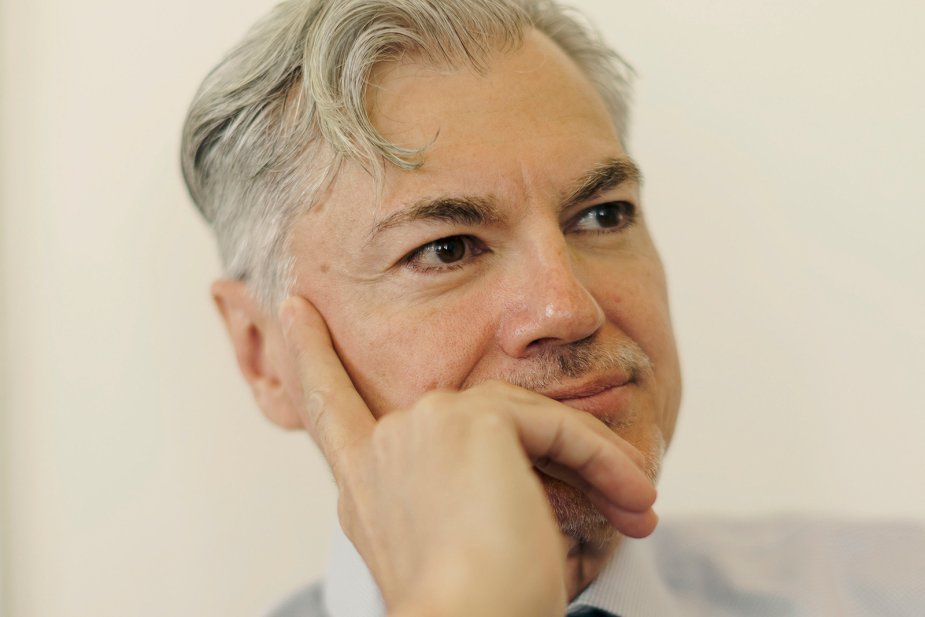
Then, after wolfing down tea and Turkish Delight, they passed out long knives, and donned tunics made from white bed sheets, all the better to show bloodstains. Cutting their scalps with straight razors, and hitting their heads to make the blood rush, they shouted "Haidar!" which means lion, and is one of the nicknames of Ali, the father of Hussein the martyr of Karbala. The Haidar ceremony continued for perhaps an hour, until the celebrants collapsed from exhaustion and emotion, many of them breaking into tears.

After burn.jpg

My trip to Nabatiyeh for Ashura last year had quite an effect, as I wondered about what it was like to be part of a group whose Founding Fathers were the losers of history, and about the connection between blood rituals and masculinity in all societies. But this year, having spent the night on a basement floor, and the early morning in a confined space full of men waving sharp objects and spattering blood all over me, I just wanted to go home and take a warm bath in rubbing alcohol.

When I emerged from underground, day was just breaking and Hizballah security men in black fatigues were fanning out along the avenue to prepare for the party's own Ashura demonstrations and a speech by their leader, Hassan Nasrallah. One of them searched me for weapons and noticed the bloodstains on my backpack. "I see you've been with the Iraqis," he said, in a perfect Midwestern American accent. "They take Ashura very seriously. I mean, it is serious. But not THAT serious."

--Andrew Lee Butters/Beirut


Leave a Reply

You must be logged in to post a comment.

advertisement

About The Middle East Blog

Tim McGirk

Tim McGirk, TIME's Jerusalem Bureau Chief, arrived in the Middle East after covering Iraq, Afghanistan and Pakistan. Read more

Scott MacLeod

Scott MacLeod, TIME's Cairo Bureau Chief since 1998, has covered the Middle East and Africa for the magazine for 22 years. Read more

Andrew Lee Butters

Andrew Lee Butters moved to Beirut in 2003, and began working for TIME in Iraq during the Fallujah uprising of 2004. Read more

Feed Icon RSS Feed

AddThis Feed Button

Daily Email

Get The Middle East Blog - TIME.com in your inbox and never miss a day:
 
Delivered by   FeedBurner

The Middle East Blog - TIME.com Archives

February 2008
Choose a day to view headlines.

< Previous Month
> Next Month

S M T W T F S
          1 2
3 4 5 6 7 8 9
10 11 12 13 14 15 16
17 18 19 20 21 22 23
24 25 26 27 28 29  

More TIME Blogs

  • Swampland
    A blog about politics by TIME's Karen Tumulty, Joe Klein, Ana Marie Cox, and Jay Carney
  • The China Blog
    Daily detours through the world's fastest changing nation by TIME correspondents
  • Tuned In
    A blog about all things television from TIME's TV critic, James Poniewozik
  • Looking Around
    Reflections on art and architecture by TIME critic Richard Lacayo
  • The Middle East
    TIME correspondents blog about life in the hottest and holiest region in the world
  • Nerd World
    Geek culture blog by TIME's Lev Grossman and The Simpsons' Matt Selman
  • Work In Progress
    A blog about life on the job and the job of life by TIME's Lisa Takeuchi Cullen
advertisement