
LGBTQ+ Youth Face an Alarming Mental Health Crisis
5 MIN READ
Nearly 40% of LGBTQ+ youth have seriously considered attempting suicide in the last year, according to a new survey.
Nearly 40% of LGBTQ+ youth have seriously considered attempting suicide in the last year, according to a new survey.



A rare total solar eclipse will occur across Mexico, the U.S., and Canada on April 8, 2024, when the moon will pass between the Earth and the Sun, blocking the sun’s rays during the day time, causing a temporary period of darkness. TIME Editor-at-Large Jeffrey Kluger explains the best way to experience it.



Subscribe now to get unlimited access to TIME.com and more!













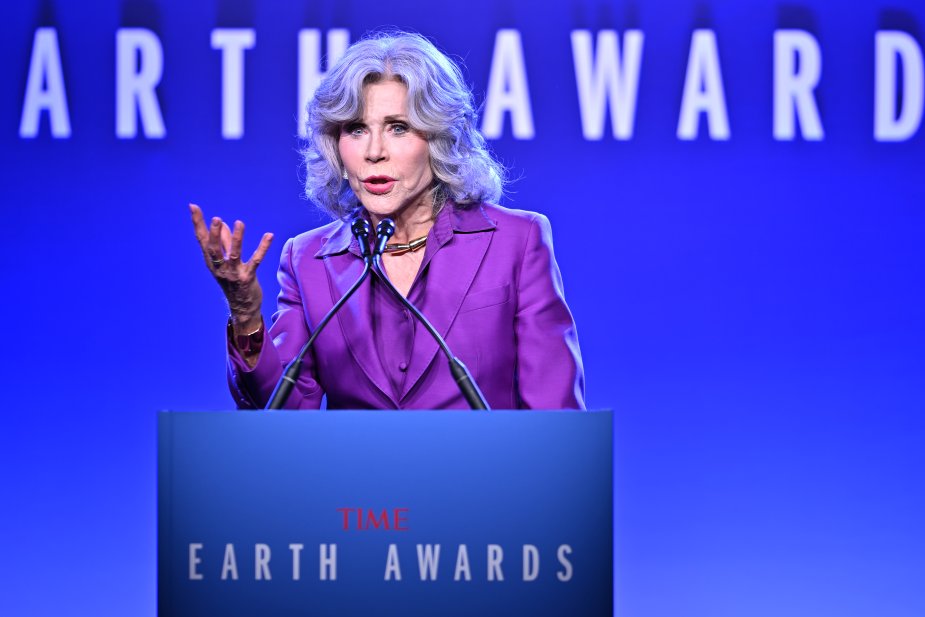
Actress and TIME Earth Award honoree Jane Fonda urged Americans to leverage their voting power to make politicians care about the climate crisis.





The judge overseeing the former president's criminal trial is familiar with his history, in and out of court.





Health officials have detected fragments of a bird flu virus in milk. What does that mean for the milk supply?




Created by David E. Kelley and starring Jeff Daniels, this slight adaptation of Tom Wolfe's era-defining book is permeated by bad choices



Fixing meetings is the most low-lying opportunity to improve performance and worker engagement.